
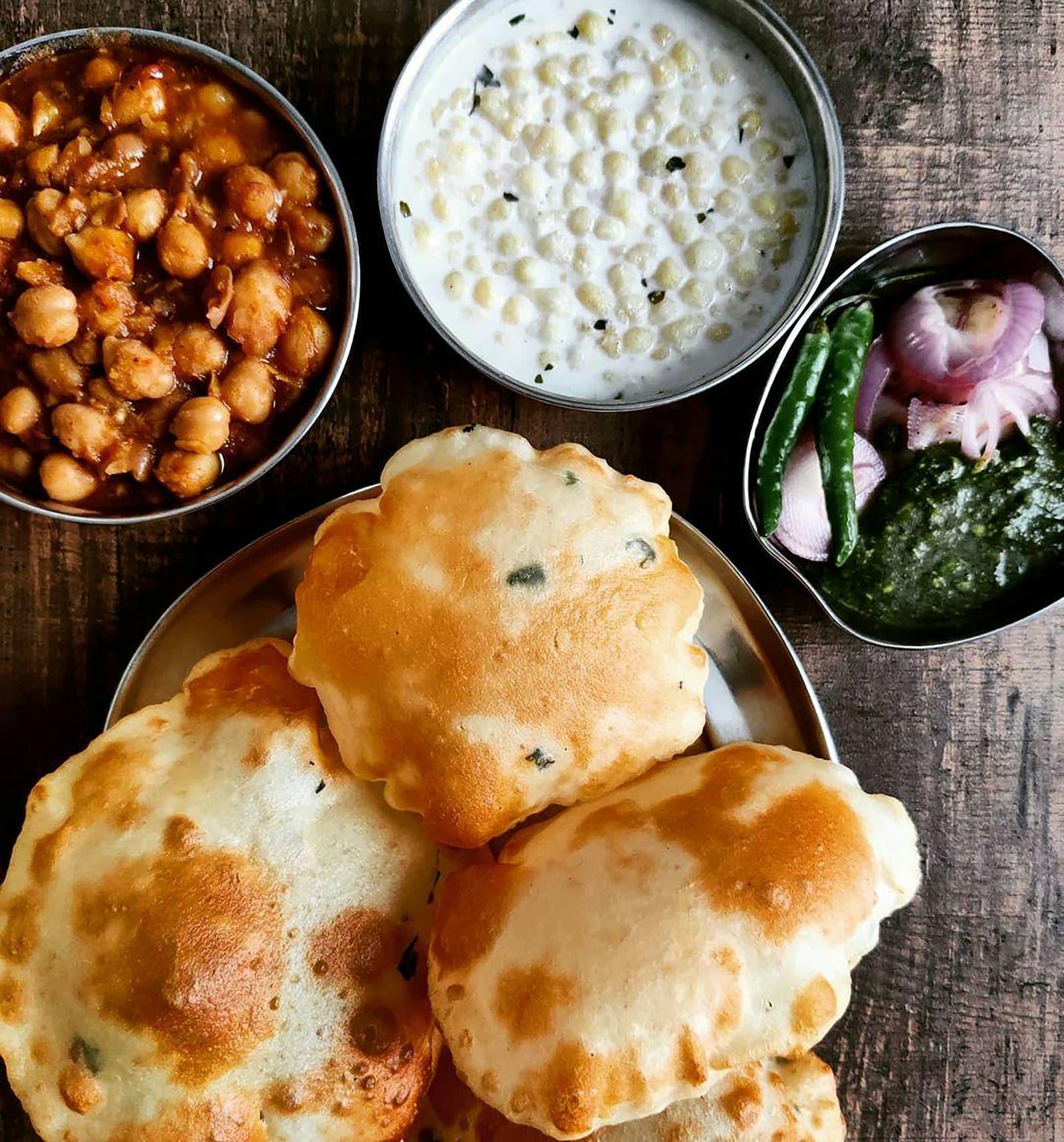
Guide
Meal Planning for PCOS in Indian Households: A Household-Level Guide
PCOS isn't cured by diet, but gentle household-level food patterns can support sustainable eating better than any 'PCOS diet' fad. A practical, non-medical guide to planning meals when a family member is managing PCOS — without separate plates or restrictive elimination diets.
JinKul Editorial ·
This is general meal-planning guidance for households, not individualised medical nutrition advice. PCOS is a complex endocrine condition. Diet is one supporting factor among several — sleep, movement, stress, and medication often matter as much or more. This guide is not a cure, not a "reversal" protocol, and not a substitute for clinical care. Decisions about medication, hormonal therapy, fertility planning, and individual dietary targets belong with a gynaecologist, endocrinologist, or registered dietitian.
A PCOS diagnosis sits inside a particularly loud corner of the wellness internet. Search the term and the results are a flood of "PCOS diets," "reversal protocols," "anti-inflammatory plans," and influencer-led elimination regimens that mostly fail Indian households the same way Western meal-planning content does — by assuming the patient cooks separately, eats separately, and has unlimited time to follow elaborate rules.
The reality of managing PCOS in an Indian household is quieter and more workable. Most of the relevant food shifts are gentle, sustainable, and improve household eating broadly — not punishing protocols for one person while the rest of the family eats parathas.
PCOS isn't cured by diet, but for many Indian households, gentle household-level food patterns can support sustainable eating better than any standalone 'PCOS diet' fad.
This guide is about those household-level shifts. How to plan a week of meals that work for the family member managing PCOS and for everyone else, without separate plates, without elimination diets, without making one person feel like food is the enemy. The goal is not weight loss; it is consistent, sustainable, non-stressful eating for the whole household.
Why "PCOS diet" content tends to fail Indian households
A few reasons most online PCOS content lands poorly in Indian kitchens.
It assumes individual cooking. "Have a smoothie bowl for breakfast" and "track your macros" both assume the person managing PCOS makes their own breakfast and lunch. In most Indian households, breakfast is whatever the cook or the family kitchen produces. Separate plates again don't survive contact with a shared kitchen.
It treats food as the primary lever. PCOS is multi-factorial. Insulin sensitivity, hormonal balance, body composition, and stress response are all in play, and food is one supporting input among many. Sleep, movement, and medication often have larger effects than dietary changes alone. Content that positions food as the primary lever sets up an unrealistic expectation, and when blood work doesn't improve quickly, the person managing PCOS often blames themselves for the diet rather than the framing.
It is restrictive in the wrong direction. A lot of PCOS content recommends elimination — no dairy, no gluten, no this, no that — without strong evidence and without considering how the recommendation lands in an Indian household where dairy and wheat are structural to most meals. Restrictive diets tend to fail at adherence, and the failure itself adds stress, which worsens cortisol, which worsens insulin sensitivity. The net effect is often worse than just eating sensibly.
It is heavily fad-driven. "Inositol diets," "seed cycling," "PCOS detoxes" — the wellness internet rotates through these every 18 months. Some have a kernel of clinical evidence; most don't. Households trying to follow whichever protocol is trending right now end up with kitchen plans that are different every quarter, which is exhausting and unsustainable.
The useful frame is different. PCOS symptoms and nutritional needs can vary significantly between individuals — lean PCOS, classical PCOS, post-pill PCOS, insulin-resistance dominant, androgen-dominant, with or without thyroid overlap, with or without ongoing medication, with very different fertility and symptom-management goals. The household-level patterns described below are general household-eating shifts that some people may find easier to sustain than restrictive PCOS protocols; what is appropriate for any specific individual is a conversation to have with a gynaecologist, endocrinologist, or registered dietitian.
The four levers Indian households actually have
Before going further: this is general household guidance, not individualised nutrition advice. PCOS presents differently in different women, and what works for one may not for another. If you're working with a gynaecologist or registered dietitian, follow their specific guidance over anything below.
Lever 1: Carb composition
Some people with PCOS find that whole grains feel more sustainable than refined ones — though responses vary widely between individuals. The household-friendly moves are familiar: whole-wheat atta as the baseline rather than maida; jowar, bajra, or ragi rotis in rotation; brown rice or a brown-white blend as the household default for rice meals; oats or millet upma instead of suji upma at breakfast.
What this isn't: a "low-carb" diet. Aggressive carb cutting is rarely sustainable in Indian households and isn't necessary for most people. The shift is composition, not elimination. The same volume of dal-roti-sabzi-rice can be the same number of meals; the swaps are at the grain level, not the meal-structure level.
Lever 2: Protein and fibre balance
This is the lever most under-emphasised in Indian PCOS conversations. People in vegetarian or vegetarian-leaning Indian households often eat less protein than they'd prefer, and meals with meaningful protein and fibre tend to feel more satiating than carb-heavy meals alone. Practical protein sources: paneer, eggs (where eaten), curd, dal, sprouts, soya.
A practical pattern many households find workable: include a meaningful protein at each main meal (not just a "splash" of dal), and add fibre via vegetables and legumes. Two rotis with a generous dal and a paneer side may feel similar in volume to three rotis with thin curry, but many people find the first option easier to sustain.
Lever 3: Meal timing and consistency
Some people may find that more consistent meal patterns — eaten at roughly similar times most days — are easier to sustain than skip-then-over-eat cycles. A workable rhythm for many households is three meals plus one small mid-afternoon snack, broadly the same rhythm covered in the diabetes companion guide. Whether or not this affects any specific metabolic marker is something to track with your doctor; what it does reliably is reduce the planning chaos of "what do I eat now" decisions at 4pm.
This is also the lever where stress about food can become its own problem. PCOS has well-documented comorbidity with anxiety and disordered eating, and rigid timing rules can themselves become anxiety triggers. The goal is gentle consistency, not strict precision. "Roughly the same time each day, more often than not" is a more sustainable target than "exactly 8am, exactly 1pm, exactly 8pm."
Lever 4: Inflammation-aware ingredient choices
The "anti-inflammatory diet" is a wellness buzzword that doesn't quite hold up clinically as marketed — but the underlying principle of fewer ultra-processed foods, less refined sugar, more whole foods is broadly sensible and well-supported. For Indian households, this means: less sweetened yoghurt and packaged juice, fewer sweetened breakfast cereals and "diet" biscuits, less Maggi and packaged snacks as default options. More leafy greens, more cruciferous vegetables (cauliflower, broccoli, cabbage), more dals and legumes, more fresh fruit in moderate portions.
This isn't a list of "good" and "bad" foods. A samosa at a wedding is not a problem. A samosa, three packets of biscuits, and a sweetened juice across an ordinary Tuesday is a pattern worth shifting at the household level.
A sample week
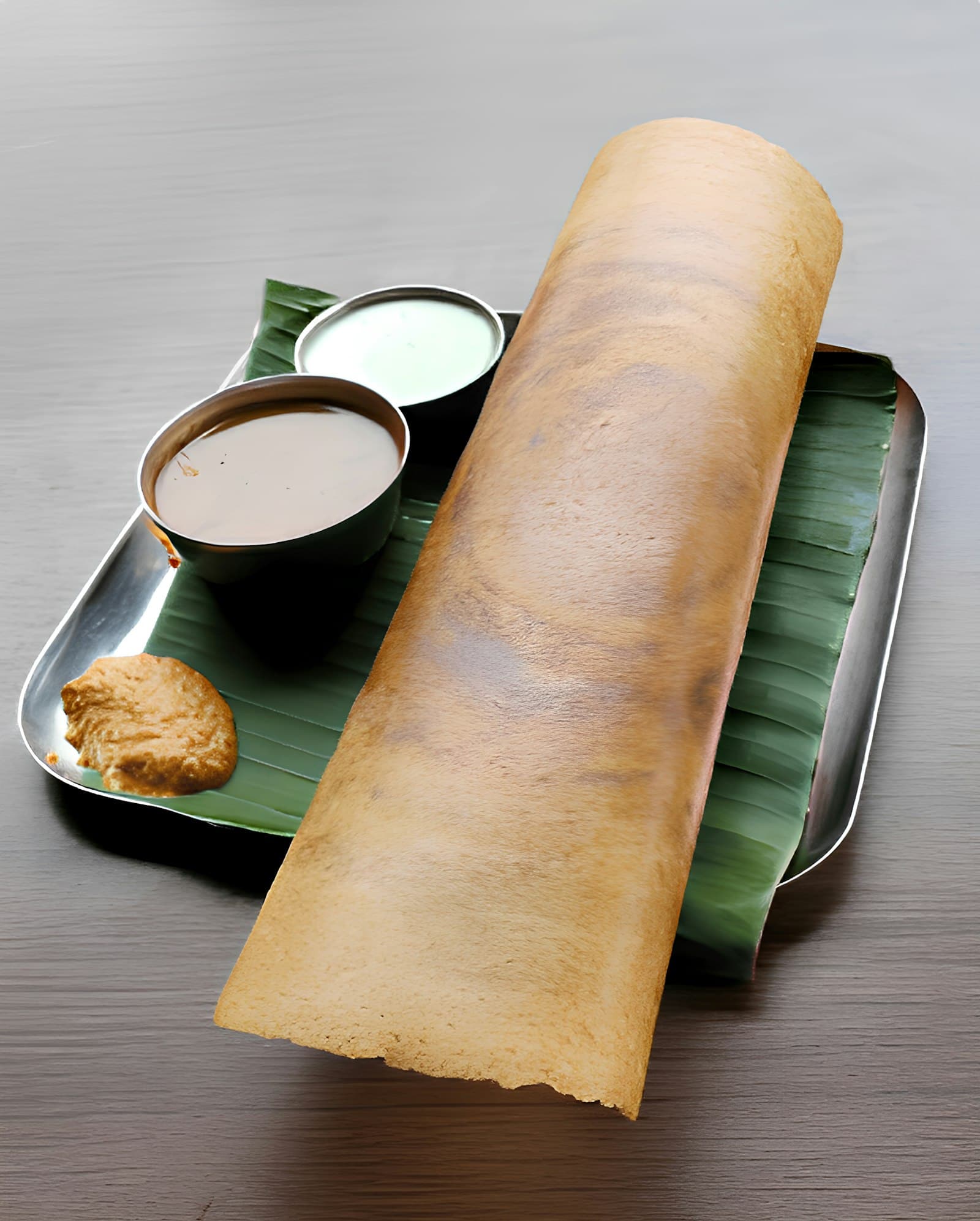
Here is one workable week. Adjust to your household's actual diet, region, and any specific guidance your doctor or dietitian has given. The whole table is what the household eats; nobody is on a separate plate.
| Day | Breakfast | Lunch | Mid-afternoon snack | Dinner |
|---|---|---|---|---|
| Mon | Moong dal chilla + plain curd | Wheat roti (2), moong dal, lauki sabzi, salad | Sprouts chaat + green tea | Brown rice + rajma + cucumber raita |
| Tue | Vegetable oats upma + curd | Wheat roti (2), masoor dal, bhindi sabzi, salad | Paneer cubes + chai | Multigrain roti (2), palak paneer, salad |
| Wed | Idli (2) + sambar + fresh chutney | Brown rice + chana masala, gobi sabzi | Fresh fruit + a handful of almonds | Wheat roti (2), kadhi, beans poriyal |
| Thu | Besan chilla + mint chutney | Bajra roti (1) + wheat roti (1), toor dal, baingan bharta | Roasted chana + tea | Jowar roti (2), chicken (or paneer) curry, salad |
| Fri | Vegetable poha (less oil) | Wheat roti (2), rajma, mixed veg sabzi, salad | Roasted makhana | Brown rice + dal palak + lauki kofta (steamed) |
| Sat | Sprouts paratha + curd | Brown rice + chicken curry (or paneer butter masala — moderate portion), bhindi sabzi | Banana + a few nuts | Vegetable soup + 1 multigrain roti + dal |
| Sun | Masala dosa (1) + sambar + chutney | Wheat roti (2), kadhi, aloo-gobi (moderate portion), salad | Fresh fruit | Khichdi (moong + brown rice) + curd |
The pattern is gentle: whole grains as the default; meaningful protein at each meal; vegetables across most meals; fresh fruit and nuts at snack time; minimal packaged or sweetened foods. Treat days exist (the Sunday dosa, the Saturday chicken curry) and are part of the plan, not failures of it.
Building this kind of plan, calibrating protein and carb balance across each meal for the household, and adjusting based on what's working is the actual weekly work. JinKul's planner is built for exactly this case — household-level meal planning with per-member calibration for whoever in the home is managing PCOS. Try it free for 14 days.
What to actually buy
Most of the cart looks like a regular Indian household grocery order. The shifts are at the margins.
Atta and flours. Whole-wheat atta from a brand like Aashirvaad, or Aashirvaad multigrain if jowar/bajra rotation feels too sharp a shift initially. Skip maida-based products (white bread, packaged naan-mixes) where possible.
Dals and protein. Keep four dals on rotation — moong, masoor, chana, toor. If the household eats them, add eggs as a regular protein source (omelette, boiled, anda bhurji). Paneer in moderate portions. Curd as a daily staple, plain not sweetened.
Vegetables. Most seasonal vegetables, with a particular nudge toward leafy greens (palak, methi, sarson) and cruciferous vegetables (cauliflower, broccoli, cabbage). Beetroot and sweet potato in moderation.
Fruits. Most fresh fruit is suitable in normal portions. Berries (when available) and guavas tend to be especially recommended; mangoes and bananas are fine in moderation. Avoid packaged fruit juice — even "100% juice" concentrates sugars in a form that's harder on insulin than whole fruit.
What to be careful with. Sweetened yoghurt and lassi (the ready-made flavoured kind), sweetened breakfast cereals, packaged juices, "diet" biscuits and packaged "healthy" snacks (many are still refined-carb heavy), sugary drinks, packaged paneer in oil.
Supplements. This guide does not cover inositol, vitamin D, omega-3, or specific PCOS supplements. These are common in PCOS management and may be useful, but the choice and dose belong with your doctor — not with a meal-planning post.
Assembling and brand-resolving this cart manually each week takes time; JinKul's grocery cart handles the aggregation automatically.
The other half: food is one lever, not the only one
This is the part of PCOS content that gets quietly skipped on most wellness sites, so it bears stating directly: food is one supporting factor in PCOS management — not the primary one for most people. Sleep, regular physical activity, stress management, and medication (where prescribed) often play larger roles than diet shifts alone, and they all sit outside what a meal-planning guide can cover.
A few household-level patterns that some families find supportive alongside the meal patterns above. These are not medical recommendations and individual benefits vary:
- Movement. Around 30 minutes a day of moderate activity — brisk walking, yoga, gym, dance, anything that gets the heart rate up — is broadly supported in general health guidance regardless of PCOS status. This isn't framed here as "exercise to lose weight"; the goal is consistency and household routine, not body composition.
- Sleep. Consistent 7–8 hours, with reasonable consistency in timing, is broadly supportive of overall health. Sleep is one factor doctors often raise alongside PCOS management.
- Stress. Chronic stress can compound food-related anxiety, especially when PCOS content online encourages perfectionism about meals. Gentleness with oneself is part of the picture; food stress can itself become counter-productive.
- Medication. If a doctor has prescribed metformin, oral contraceptives, anti-androgens, or anything else, those decisions belong with the doctor — meal planning is supporting infrastructure, not a substitute or an alternative.
The household-level principle applies here too. Family walks after dinner, household sleep schedules that don't push midnight, fewer late-night ordered-in meals — these are shifts that benefit everyone in the household and are often easier to sustain than one-person interventions.
When to escalate
Meal planning is supportive infrastructure for PCOS management, not the management itself. A few signals worth taking to a specialist. If you are working with a registered dietitian or nutritionist on PCOS, our companion piece on executing a nutritionist's plan in an Indian household covers the workflow side of staying on their plan.
- HbA1c, lipid profile, or hormonal tests not improving after a sustained period of consistent lifestyle changes. The conversation belongs with the gynaecologist or endocrinologist; medication, supplements, or specific clinical management may need adjustment.
- Fertility goals or family planning. Some people may choose to discuss nutrition patterns with their healthcare providers as part of broader PCOS management; meal planning alone is not a fertility intervention. Specialist input is essential.
- Mental health. PCOS has well-documented comorbidity with anxiety, depression, and body-image concerns. If the food management itself is becoming a source of stress, that is a signal to widen the support — therapist, support group, gentler framing — not to tighten the diet.
- Significant unexpected changes in weight, cycles, or symptoms in either direction. Worth a doctor's review rather than a diet adjustment, especially if rapid.
- The household struggles to execute the plan consistently. Often the plan is fine; the workflow is the bottleneck. This is where a tool like JinKul can help — by removing the weekly cognitive load of planning, listing, ordering, and briefing — so the household can focus on the eating part rather than the planning part. The 14-day free trial is one practical way to test whether software help is a fit; start it here.
Closing
For many Indian households where a member is managing PCOS, the most useful shift is the opposite of what most wellness content recommends: not a stricter "PCOS diet" for one person, but a gentler, more consistent set of household-level patterns that everyone in the home can sustain.
PCOS isn't cured by diet, but for many Indian households, gentle household-level food patterns can support sustainable eating better than any standalone 'PCOS diet' fad.
This article provides general meal-planning guidance for households and is not individualised medical nutrition advice. PCOS symptoms and nutritional needs vary significantly between individuals; diet is one supporting factor among several. Sleep, movement, stress, and medication often matter at least as much. Specific clinical decisions — medication, hormonal therapy, fertility planning, supplement choices — belong with a gynaecologist, endocrinologist, or registered dietitian. Nothing here is intended to replace clinical care, and meal planning is not a cure, reversal protocol, or hormone-balancing intervention.
If your household is also managing other conditions, our companion guides cover diabetes and hypertension with the same household-level framing.
If you've read this far, you've already done the hardest part, which is recognising that this is a household-level project rather than a one-person diet. The remaining part is execution — actually building the weekly plan, actually doing the shopping, actually keeping the patterns consistent through busy weeks. That is where many households slip, and that is where JinKul's 14-day free trial was designed to help.
Photo by Jainica Dhingra / Unsplash